Insights
Chemical Industry Insights by ChemAbout
Analysis that starts from specific chemicals and raw materials — grounded in published literature, company announcements, regulatory documents, and industry data — unpacking the science, manufacturing, and compliance behind them, alongside chemical regulations, materials technology, company moves, and supply-chain risks. Fact-based industry observation and judgment.
Featured
Article
Why Are High-Performance Polymers Replacing Metal?
The modern materials revolution isn't a search for the best material — it's a search for one with no weak dimension. From molecular design to aerospace, AI, and clean energy, this piece traces why metal is losing ground, and why only a handful of companies can actually manufacture the polymers taking its place.
Latest articles
Continue through the broader archive covering procurement, compliance, supplier evaluation, and product workflow topics.
Article
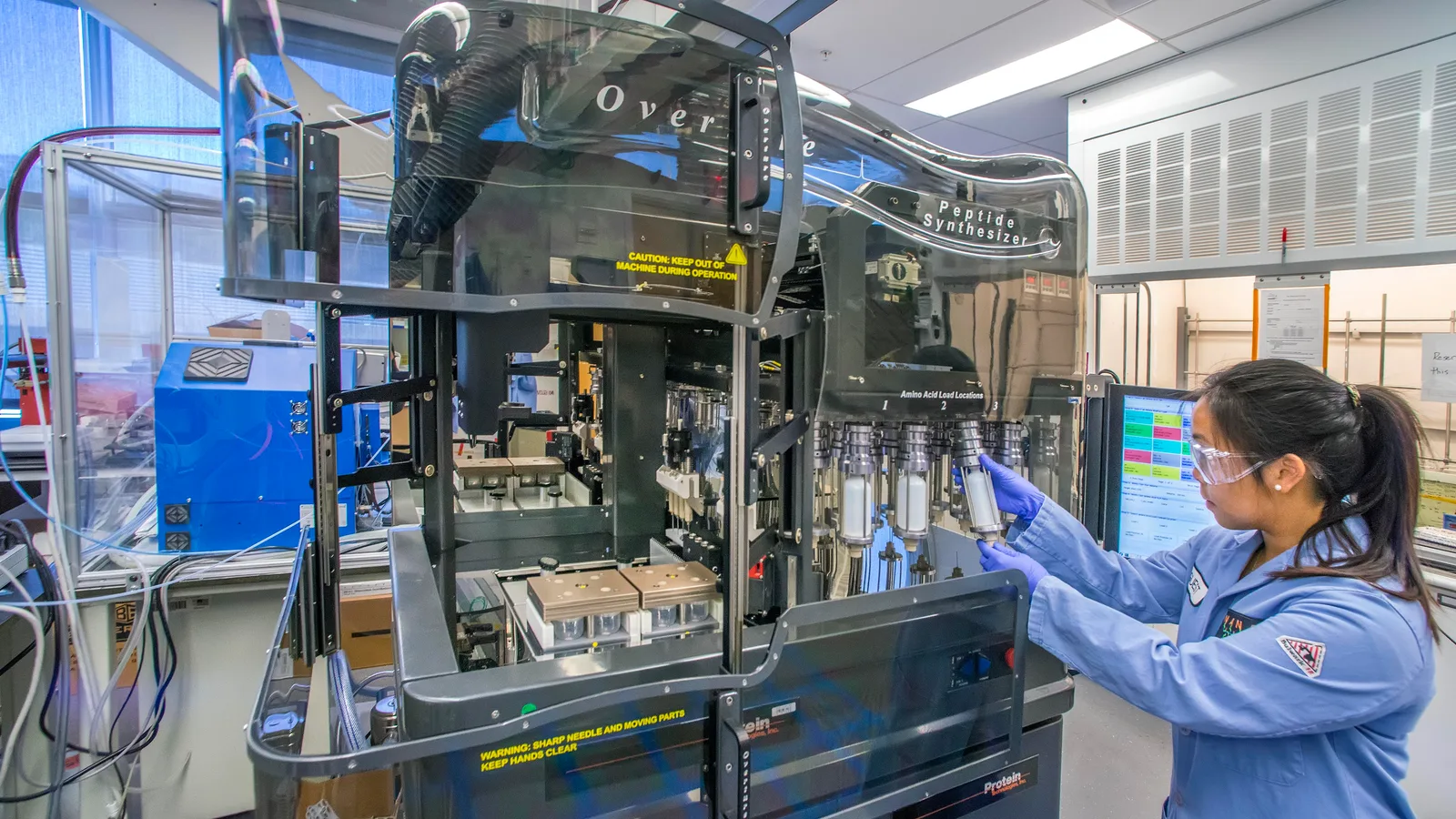
Why Tirzepatide Is Difficult to Manufacture: Sequence Assembly, Lipidation and Impurity Control
Tirzepatide is a 39-residue peptide carrying a branched C20 lipid side chain on one of its two lysines. No single reaction in its synthesis is unusual — the difficulty is that sequence fidelity, stereochemistry, site-selective lipidation and purification selectivity all have to hold at once. A look at what the published routes and the regulatory record actually say.
Article
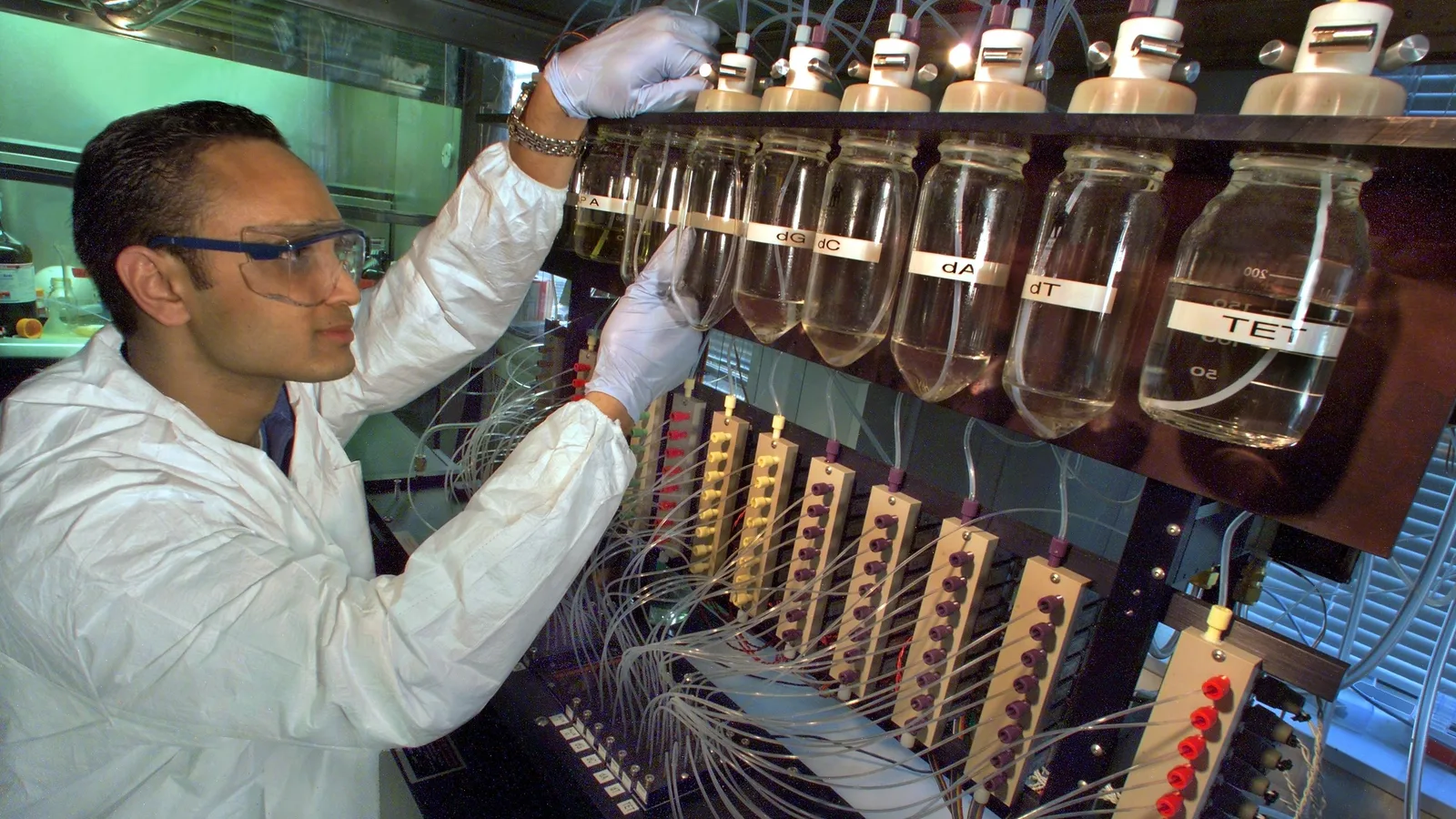
Why Phosphoramidite Purity Is Not Enough: Impurity Propagation in Oligonucleotide Manufacturing
A phosphoramidite's headline assay does not describe its manufacturing risk. What matters is whether an impurity can be coupled into a growing chain, at which cycle, what sequence variant it creates, and whether purification and analysis can control the result.

Article
From 1 kg to Commercial Scale: Why Small-Molecule API CDMO Projects Fail During Scale-Up
A practical guide to why small-molecule API CDMO scale-up can fail when laboratory routes meet GMP manufacturing, process safety, impurity control, crystallization, technology transfer and commercial supply constraints.

Article
After a Patent Expires, What Actually Stops Anyone From Making the Molecule?
The FDA still keeps a list of drugs that are off patent, off exclusivity, and have no generic at all. Novo Nordisk owns semaglutide outright and still paid $11 billion for filling capacity. Japan restricted three chemicals to Korea in 2019 and only one of them actually bit. This piece gathers the evidence from pharmaceuticals, agrochemicals, and electronic materials into one framework: the Reaction Interface Economy.

Article
Why Do Global Petrochemical Intermediate Prices Always Trace Back to Crude Oil Benchmarks?
Crude oil doesn't set petrochemical prices directly — it anchors a chain that runs through refinery economics, the choice between naphtha, ethane, and coal-based feedstock, cracker margins, and market repricing. This piece traces why ethylene reacts to Brent within days while bisphenol A and epoxy resin lag by weeks, why US shale ethane and Chinese coal-to-olefins routes are decoupling from Brent, and why the deepest competition in petrochemicals runs between carbon resources, not molecules.

Article
Why Do Almost All the World's Laundry Detergents Rely on the Same Chemical Intermediate?
Modern detergents don't compete on cleaning power alone — they compete on what happens after they leave the drain. This piece traces how one carbon chain's shape triggered a global regulatory shift, why LAB plants are secretly refinery chemistry, why a process everyone calls dangerous has run for sixty years, and why only a handful of companies can make it well.

Article
Why Did 20th-Century Oil Mean "Reaching" the Underground, While the 21st Century Means "Controlling" It?
Twenty years ago, "oilfield chemicals" was a sufficient category, because the subsurface served almost one purpose: oil and gas. Today, the same underground space holds CO2, hydrogen, geothermal heat, and lithium from brine — the old label no longer explains reality. This piece names a broader frame: Subsurface Chemical Infrastructure.

Article
Why Doesn't the Chemical Industry Actually Sell Molecules?
A synthesis route becomes public the moment its patent expires — but most of what actually decides whether a molecule can be made reliably, safely, and cheaply never gets written down. Four layers trace the gap between a public route and a defensible manufacturing capability: process development, scale-up, accumulated tacit experience, and where AI does and doesn't fit.

Article
Why Can Only a Handful of Companies Make Top-Tier OLED Emitter Materials?
The hardest part of making OLED was never getting a molecule to glow — it's controlling electrons: where electrons and holes go, where excitons form, and how to keep that from running wild over tens of thousands of hours. This piece walks through seven barriers to answer why so few companies can pull it off.

Article
What's Hardest to Get After a Patent Expires Isn't the Patent — It's the Intermediate
Cyantraniliprole, pinoxaden, and sulfoxaflor all lose patent protection between 2026 and 2027. The common assumption is that any manufacturer with capacity can now copy the molecule. What usually decides whether that actually happens is whether the key intermediates are available at all.

Article
Why the AI Boom Is Also a Chemistry Boom: Inside the Ultra-High-Purity Electronic Chemicals Supply Chain Behind HBM, CoWoS, and Electronic-Grade HF
An AI chip isn't just bigger than an ordinary chip — it passes through more lithography, etch, clean, and polish cycles, each consuming ultra-high-purity photoresist, CMP slurry, electronic-grade HF, sulfuric acid, and PGMEA at parts-per-trillion purity. A fact-based map of why this supply chain is short, hard to switch suppliers on, and now visibly tightening.